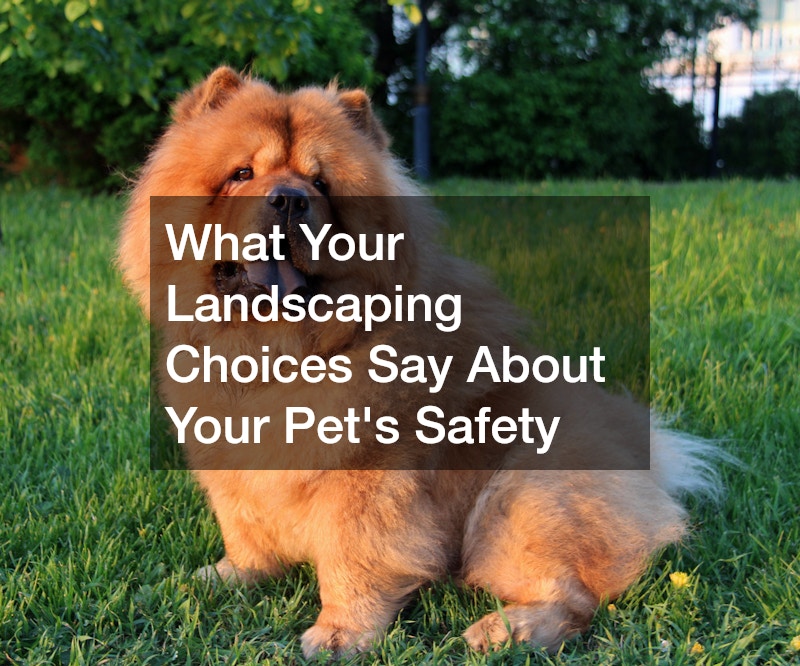
Your yard is more than a backdrop for weekend barbecues or curb appeal photos; it is the environment your pet interacts with every single day. From the type of fencing you choose to the plants you install and the surfaces you walk on, every landscaping decision carries safety implications for the animals who call your property home. Before you break ground on your next outdoor project, it is worth understanding how these choices affect your pet’s wellbeing, because a beautiful yard and a safe yard are not always the same thing. This article walks through the key landscaping elements that impact pet safety, so you can plan with confidence.
Fencing Materials and Their Impact on Pet Containment
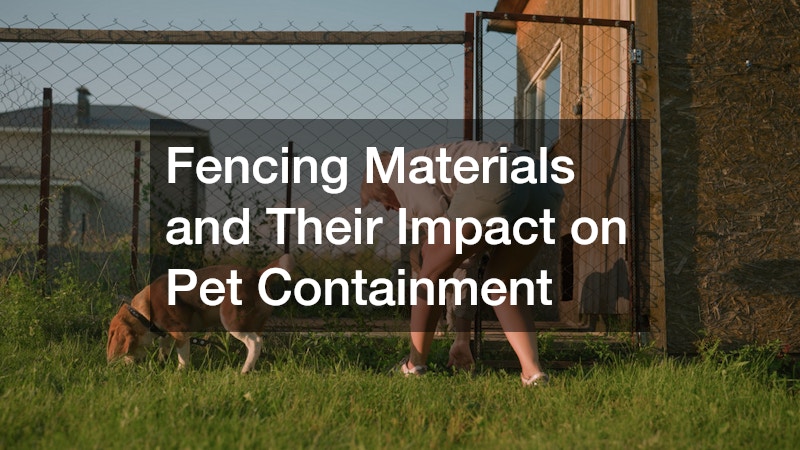
The fence around your yard is often the single most important safety feature for a pet owner, since it determines whether your dog stays safely contained or wanders into traffic or unfamiliar territory. Not all fencing is created equal, and the material you choose affects durability, visibility, and how well it withstands a determined or anxious animal. Many homeowners compare options through local fence companies before committing, since a professional assessment can reveal weaknesses in sightlines, gate placement, or ground clearance that a DIY approach might miss.
Chain fence installation remains popular because it is affordable and durable, but it requires some extra thought for pet owners. Dogs can sometimes climb chain link, and smaller pets or determined diggers may find gaps at the base if the fence was not installed with a buried barrier. A properly installed chain-link fence, paired with a visual privacy screen for reactive dogs, can still be a smart and budget-friendly choice for many households.
- Confirm fence height matches your pet’s size and jumping ability, typically at least four feet for small dogs and six feet for larger or athletic breeds.
- Check for gaps at the bottom where digging animals could escape.
- Ask about post spacing and gate latch quality, since weak points are usually where escapes happen.
- Consider a double-gate entry system to prevent accidental slip-outs when guests visit.
Toxic and Pet-Safe Plant Selection
Landscaping design often prioritizes color, texture, and seasonal interest, but many popular ornamental plants are toxic to cats and dogs if chewed or ingested. Lilies, azaleas, sago palms, and oleander are common landscaping staples that can cause serious illness or death in pets, yet they are frequently used without a second thought. Before planting anything new, it is worth cross-referencing your plant list against a pet toxicity database or asking your veterinarians which local plants pose the greatest risk to your specific animal.
Veterinarians often see seasonal spikes in poisoning cases tied to common landscaping choices, especially in spring when new plantings go in the ground and pets are more likely to be outside exploring. If your pet has a habit of chewing on greenery, consider pet-safe alternatives like spider plants, snapdragons, or sunflowers instead of riskier ornamentals. Keeping a list of safe substitutes on hand makes it easier to landscape confidently without constantly worrying about what your pet might sample.
- Sago palms and lilies are among the most dangerous plants for pets, even in small quantities.
- Mulch made from cocoa shells can be toxic to dogs due to theobromine content.
- Rose bushes and thorny plants can cause physical injury even if they are not toxic.
- Raised garden beds can help keep pets away from tempting but risky plantings.
Hardscape Surfaces and Paw Safety
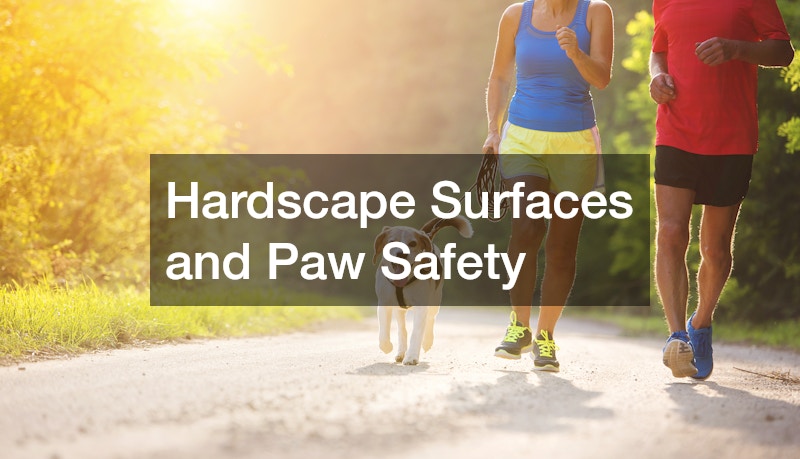
The surfaces your pet walks, lies, and plays on matter more than most homeowners realize, especially during extreme weather. A concrete patio can become dangerously hot in direct summer sun, sometimes reaching temperatures upward of 125-150°F when air temperatures are only in the 80s, causing burns on sensitive paw pads within minutes. Dark-colored pavers and asphalt absorb even more heat than lighter concrete, making them some of the riskiest surfaces during peak afternoon hours.
Testing the surface with your bare hand or bare foot for at least seven seconds before letting your pet walk on it is a simple, effective way to prevent injury during hot months. If you can’t hold your hand comfortably on the pavement that long, it’s too hot for your dog’s paws. Early morning and evening walks, when surface temperatures drop significantly, are much safer alternatives to midday outings.
Winter brings its own hazards, since concrete and stone can hold ice and get slick, and de-icing salts can irritate or chemically burn paw pads. Choosing pet-safe ice melt products and rinsing your pet’s paws after walks on treated surfaces can prevent both physical irritation and accidental ingestion during grooming. Adding textured mats, artificial turf patches, or shaded walkways near hardscape areas gives pets a cooler, safer path across the yard year-round.
Beyond temperature, texture and slope also matter. Smooth, sealed concrete and polished pavers can become dangerously slippery when wet, increasing the risk of falls, sprains, or hip strain for senior pets, puppies, or those with arthritis and joint issues. On the other end of the spectrum, rough or poorly finished surfaces like unsealed stamped concrete, coarse natural stone, or cracked asphalt can gradually wear down paw pads, leading to abrasions or cracked, sensitive feet over time.
Slope is another factor worth checking. Steep or uneven grading on patios and walkways forces pets to compensate with awkward gait patterns, which can strain joints and increase fall risk, especially near pool decks or elevated seating areas. A gentle grade, paired with textured or brushed finishes rather than smooth troweled concrete, gives paws better traction in both wet and dry conditions.
Adding shaded areas, rugs, or textured mats near hardscaped zones gives pets a safer resting spot without sacrificing the visual appeal of your outdoor space. Rubber-backed outdoor rugs, artificial turf inserts, or interlocking foam tiles can break up large expanses of hard material while adding a defined “paw-friendly” zone. Placing these near doorways, seating areas, or wherever pets tend to linger helps reduce repeated exposure to the harshest surfaces.
- Test surface temperature during peak sun hours (typically 1–4 PM) by pressing the back of your hand to the pavement for 7 seconds—if it’s too hot for you, it’s too hot for paws.
- Remember that asphalt can reach 150°F+ on a sunny 90°F day, while concrete stays somewhat cooler but can still cause burns within minutes.
- Choose lighter-colored concrete or pavers, which absorb less heat than dark finishes and can run 20-30 degrees cooler on the same afternoon.
- Add shade structures, pergolas, or strategically placed trees near patios to reduce surface temperature naturally throughout the day.
- Consider textured sealants or brushed finishes to reduce slipping risk for senior pets, especially near pool decks or areas prone to getting wet.
- Opt for permeable pavers or natural stone in high-traffic zones, since these tend to stay cooler and offer better grip than smooth poured concrete.
- Schedule outdoor time for early morning or evening walks on hardscape surfaces to avoid peak heat exposure altogether.
Deck Design Choices That Protect Curious Pets
Decks are a favorite gathering spot for families and pets alike, but design details make a real difference in safety. A custom deck built with pet owners in mind might include narrower gaps between railings to prevent small dogs or cats from squeezing through, plus non-slip decking materials that stay safer when wet. Splinter-prone wood should be sanded and sealed regularly, since paws are far more sensitive to rough surfaces than human feet in shoes.
Elevated decks also present fall risks for pets that like to jump onto railings or lean over edges chasing wildlife. Adding solid barriers or pet-proof lattice beneath railings can prevent both falls and escapes, and it is worth thinking through these details at the design stage rather than retrofitting later. A well-planned deck can be both a beautiful outdoor living space and a secure area for pets to relax.
- Choose composite or textured decking materials over slick, painted wood surfaces.
- Ensure railing gaps are narrow enough that small pets cannot slip through.
- Sand and reseal wood decks periodically to prevent splinters.
- Install pet gates on stairs leading to elevated decks if falls are a concern.
Working With Professionals to Build a Pet-Friendly Yard
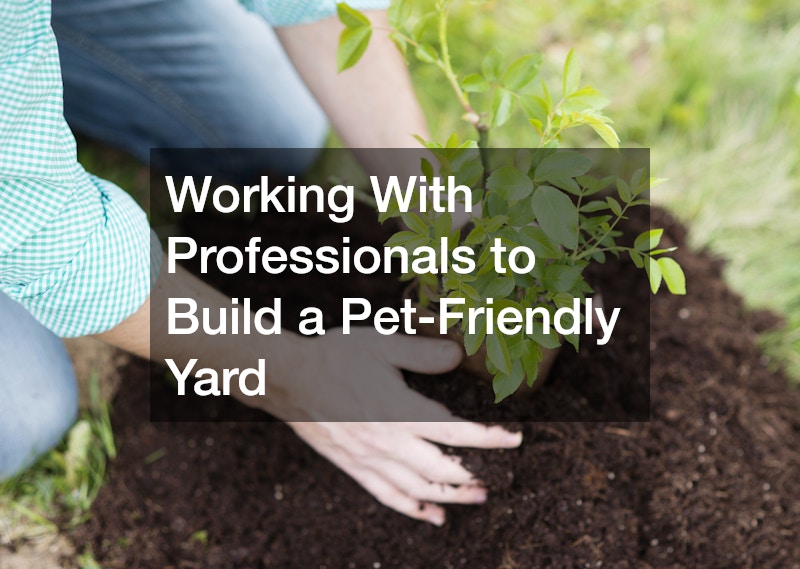
Coordinating a full backyard renovation can feel overwhelming, which is why many pet owners turn to a landscaping service that understands the intersection of design and animal safety. A knowledgeable team can recommend pet-safe ground cover, appropriate drainage solutions, and layout choices that reduce hiding spots for pests or escape routes for pets. Communicating your specific concerns upfront, such as a dog that digs or a cat that climbs, helps the professionals tailor recommendations instead of offering a generic plan.
It also helps to source materials thoughtfully, since not every product marketed for landscaping is appropriate for homes with animals. Visiting local landscape suppliers in person allows you to ask direct questions about mulch composition, fertilizer safety, and which decorative rocks are too small and swallowable for curious pets. Building a relationship with suppliers who understand pet safety concerns can save you from costly mistakes down the road.
- Ask potential contractors if they have experience designing pet-friendly outdoor spaces.
- Request documentation on mulch, fertilizer, and pesticide ingredients before purchase.
- Avoid small decorative gravel or rocks that pets could swallow.
- Discuss drainage plans to prevent standing water that attracts mosquitoes and pests.
Wildlife Encounters and Backyard Prevention Strategies
Landscaping choices influence not just your pet’s direct environment but also what kind of wildlife your yard attracts. Overgrown brush, unsecured trash areas, and certain fruit-bearing trees can draw raccoons, coyotes, or snakes into spaces where pets roam freely. If you are noticing repeated wildlife activity, contacting wildlife control professionals early can prevent a dangerous encounter before it happens, rather than dealing with the aftermath of an injured pet.
Simple landscaping adjustments can also reduce wildlife attraction without needing intervention. Keeping grass trimmed short, sealing off crawl spaces under decks or sheds, and securing compost bins all limit the appeal of your yard to unwanted visitors. Combining these habits with professional wildlife control guidance, when needed, creates a layered approach to keeping both pets and wildlife safer.
- Trim back dense shrubs where snakes or rodents could hide.
- Store pet food indoors rather than leaving bowls out overnight.
- Secure trash and compost bins with locking lids.
- Install motion-activated lights to deter nocturnal wildlife visitors.
Tree Maintenance and Falling Hazard Prevention
Mature trees add shade and beauty to a yard, but neglected branches pose real risks to pets below. Dead or weak limbs can fall without warning, especially during storms, and a pet resting or playing underneath has no way to anticipate the danger. Scheduling regular checkups with tree care companies helps identify structural weaknesses before they become emergencies, particularly for older trees near play areas or decks.
Beyond falling limbs, overgrown branches can also drop sap, seed pods, or fruit that may be messy or even toxic depending on the species. A routine tree trimming service keeps branches at a safe height and reduces debris that pets might chew on or choke on in the yard. Staying proactive about tree health protects both your landscaping investment and the animals who spend time beneath it.
- Schedule annual inspections for large or aging trees near pet play areas.
- Remove low-hanging branches that pets could injure themselves on while jumping.
- Clear fallen fruit or seed pods promptly if they are toxic to pets.
- Watch for signs of disease, such as peeling bark or unusual leaf loss, that signal a tree needs attention.
Drainage and Standing Water Risks in Pet-Friendly Yards
Poor drainage does more than damage your lawn; it can create hidden hazards for pets who spend time outside regularly. Standing water attracts mosquitoes, which carry heartworm disease, while muddy, waterlogged areas can harbor bacteria and parasites that cause skin infections or gastrointestinal issues. Grading your yard properly during any landscaping project helps water flow away from pet play areas instead of pooling in low spots.
Ponds and water features are popular additions but require thoughtful planning if pets have access to them. Sloped entry points, secure fencing around deep water, and regular cleaning reduce the risk of drowning or contamination from algae and bacteria. If you are unsure how a proposed water feature will affect drainage or pet access, discussing the layout with your design team before installation is far easier than correcting it afterward.
- Grade the yard so water flows away from patios, decks, and play areas.
- Add gravel or French drains in low-lying spots prone to pooling.
- Fence off decorative ponds or install ramps for easy pet exit if they fall in.
- Clean water features regularly to prevent algae and bacteria buildup.
Every landscaping decision you make, from fencing to flooring to foliage, shapes the daily safety of the pet sharing your home and yard. Taking a proactive approach, whether that means researching plant toxicity, testing patio surfaces in summer heat, or scheduling routine tree care, can prevent painful and expensive accidents down the line. Start by walking your current yard with fresh eyes, noting any hazards discussed here, and prioritize the changes that address your pet’s specific habits and risks first. A little planning now creates an outdoor space that is both beautiful and genuinely safe for the animal you love.
