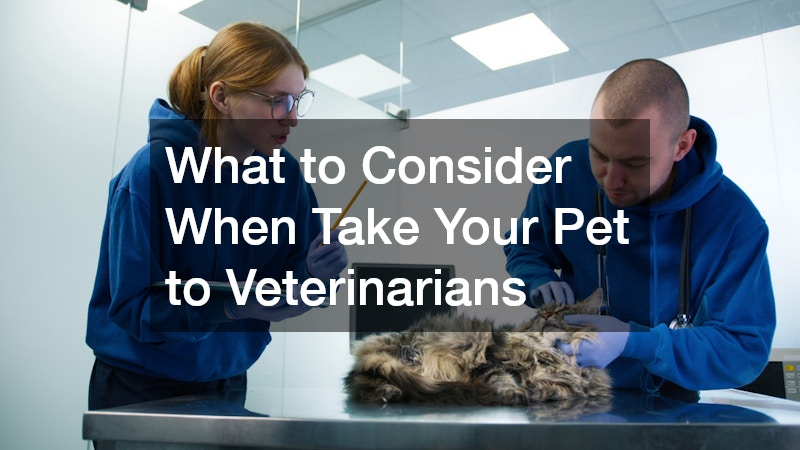
Navigating routine healthcare, wellness exams, and emergency visits is an essential part of responsible pet ownership. Companion animals rely on their owners to recognize subtle changes in behavior, maintain preventive health schedules, and make informed choices regarding medical care. Partnering with qualified veterinarians ensures that your dog, cat, or exotic pet receives personalized medical attention tailored to their age, breed, and lifestyle. Understanding how to select the right clinic, prepare for exams, and manage ongoing wellness plans optimizes every visit and supports your pet’s long-term quality of life.
Evaluating Veterinary Clinics and Professional Credentials
Selecting the right facility for your pet requires evaluating several factors beyond location and operating hours. A clinic’s operational standards, facility cleanliness, and staff communication directly impact your overall healthcare experience.
-
Accreditation and Licensing: Verify that the facility and its clinical team hold active state licensing. Facilities accredited by organizations like the American Animal Hospital Association (AAHA) adhere to stringent voluntary standards regarding surgical safety, sanitation, and diagnostic protocols.
-
Facility Scope and Emergency Services: Determine whether the practice handles basic preventive care or offers comprehensive services such as advanced imaging, dental surgery, and internal medicine. Inquire about their protocol for after-hours emergencies or their referral relationship with regional 24-hour emergency hospitals.
-
Staff Expertise and Communication: Observe how clinical staff, veterinary technicians, and primary care veterinarians interact with both you and your pet. Compassionate handling, clear explanations of diagnostic procedures, and transparent fee structures build a strong foundation of trust.
Key Factors to Consider During Every Visit
Preparing thoroughly for a medical appointment reduces anxiety for both you and your animal companion while ensuring no critical health details are overlooked.
-
Health History & Documentation: Gather previous vaccination records, prior surgical history, and a list of current medications. Bringing physical copies of past medical records is especially important if you are visiting new veterinarians for the first time.
-
Symptom & Behavior Tracking: Pay close attention to subtle shifts in appetite, water consumption, energy levels, mobility, or elimination habits. Maintaining a written or digital log of sudden behavioral or physical changes gives your healthcare provider clear data to work with.
-
Stress Reduction Protocols: Transport anxiety, waiting room triggers, and fear of physical handling can make clinic visits challenging. Using sturdy carriers, calming pheromone sprays, or top-loading crates for cats and small dogs helps minimize environmental stress.
-
Diagnostic & Treatment Costs: Review itemized estimates for recommended lab work, diagnostic imaging, prescriptions, and preventive treatments. Requesting line-item cost estimates prior to non-emergency procedures or surgeries ensures transparent financial planning.
Essential Preventive Care and Wellness Schedules
Preventive medicine remains the most effective way to detect underlying health conditions before they progress into serious medical concerns. Routine wellness visits allow primary care veterinarians to establish baseline health parameters and tailor preventive strategies to your pet’s individual risk factors.
Core Vaccinations and Parasite Control
Vaccinations protect pets against contagious and potentially fatal diseases. Core vaccines for dogs typically include rabies, distemper, adenovirus, and parvovirus, while core feline vaccines cover rabies, feline viral rhinotracheitis, calicivirus, and panleukopenia. Year-round parasite prevention protects animals against heartworms, fleas, ticks, and intestinal parasites that can cause severe systemic damage or transmit zoonotic diseases to human family members.
Comprehensive Dental Care
Periodontal disease is one of the most common conditions diagnosed in adult pets. Bacteria accumulating along the gumline can lead to tooth loss, chronic pain, and systemic damage to cardiac, renal, and hepatic systems. Annual professional dental evaluations, cleanings under anesthesia, and daily home brushing form an essential component of comprehensive wellness maintenance.
Nutrition and Weight Management
Pet obesity contributes significantly to joint degeneration, diabetes, and reduced life expectancy. During routine exams, healthcare providers evaluate body condition scoring (BCS) and provide precise caloric recommendations based on your pet’s activity level, spay/neuter status, and age.
Specialized Care Across Different Life Stages
An animal’s physiological needs evolve dramatically as they transition from young growth stages to senior years. Adapting healthcare schedules ensures timely interventions as metabolic and structural requirements change.
Pediatric Care (Puppies and Kittens)
Young animals require frequent visits during their first six months of life to complete the vaccine series, receive booster doses, undergo fecal screenings for parasites, and monitor structural growth. Early visits also establish proper socialization techniques, nutritional baselines, and spay or neuter timing based on breed size and development.
Adult Maintenance
Healthy adult pets benefit from annual comprehensive physical exams. These visits cover full head-to-tail physical evaluations, blood screenings, urine analysis, and updates on core vaccines or lifestyle-specific non-core boosters (such as Bordetella or Lyme disease for active dogs).
Senior and Geriatric Management
Pets enter their senior years between 7 and 10 years of age, depending on species and breed size. Senior animals should undergo biannual physical examinations to monitor for age-related conditions such as arthritis, renal insufficiency, cardiac disease, endocrine disorders, and cognitive decline. Early diagnostic screening allows for proactive pain management, specialized diets, and tailored therapeutic plans.
Partnering for Long-Term Health and Wellness
Establishing a strong, collaborative relationship with trusted care providers empowers you to make informed, proactive decisions regarding your pet’s health. By maintaining regular wellness exams, adhering to preventive schedules, and preparing thoroughly for clinical visits, you create an optimal environment for your companion animal to thrive at every stage of life.
If your pet is due for an annual wellness exam, needs updated vaccinations, or requires specialized diagnostic evaluation, contact your local clinic today to schedule a comprehensive consultation.
